
Types of Mulch
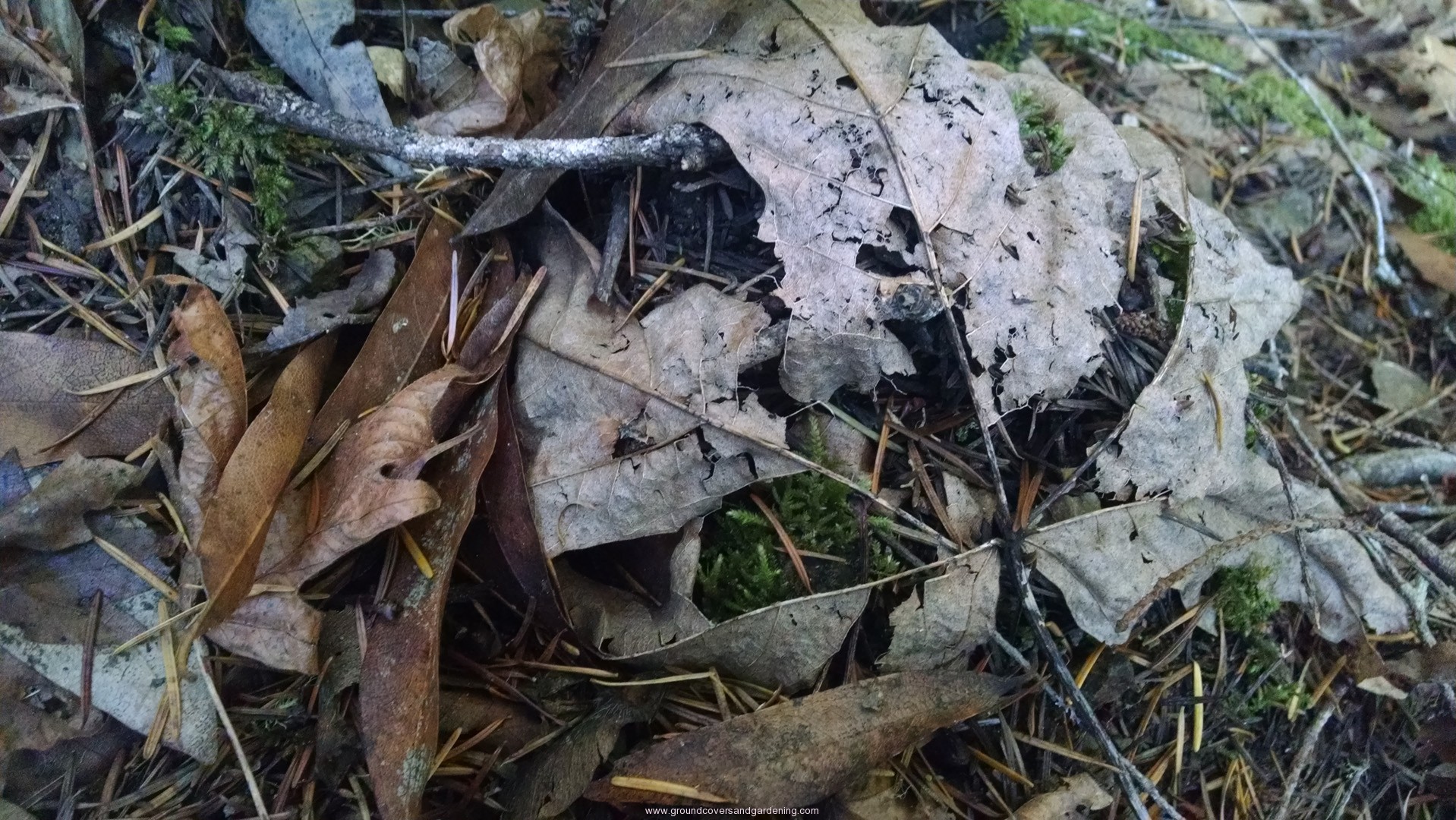
In Praise Of Fallen Leaves
When the fall came to California, I noticed everyone raking up their fallen leaves, putting them into bags and dumping them into recycling bins. Coming from Southern Africa where all my leaves went into the compost heap or onto the flower beds, I was surprised that no one was keeping their secret treasure. Instead, my neighbors were using very expensive types of mulch on their beds or just leaving them bare.

My sister in Utah told me she was raking up her leaves too and I asked her why she didn’t just leave them on the lawn or in the flower beds. She replied that the leaves would introduce bacteria to the soil and, anyway, the snow would act as a mulch. Well, she’s right, the snow is one of the best types of mulch if it sticks around. I would argue, though, that healthy leaves add nutrients to the soil as they break down and are always beneficial. If you have mildew or black spot or other fungi on your leaves, of course, they should be burned.

In most of California, there is no snow and I would say that leaves makes one of the perfect types of mulch. I had never realized, however, that mulching in cold weather keeps the soil cold during warm spells and this stops plants springing into action and then dying when the cold returns. I always thought mulching in winter was to stop the soil dehydrating, which it does do, but I had never thought of keeping the soil cool in cold weather! In fact, I thought the soil would be warmer with its blanket of leaves.

Anyway, I decided to use all my fallen leaves from my Maple trees over my beds and in my pots too, which I did. My maple leaves were all sorts of colors at first, red, yellow and brown which added something to the palette. Don’t be scared to add lots of mulch but leave a little space around the stems of the plants or they will rot.
Never having worried about frost in my previous garden, I thought that mulch would protect my plants from the severe frost we had here in January but I was wrong because frost attacks the leaves so you have to cover them. I used pillow cases over my creeper supports but, alas, too late. A lesson learned.
Leaf mulch makes everything look friendlier than bare soil does, especially when you’re waiting for bulbs to grow.
The other day I was planting some Violas and so I pushed some of the leaves aside and I was astonished by the number of earth worms wriggling around underneath. Earthworms are fantastic for soil as they carry nutrients from the top downwards. Obviously the leaves were the perfect insulation and food for my new worm family. I am delighted to have them. I am also delighted by how soft the soil is in the older beds as the worms break it up and condition it with their castings. This, for me, makes fallen leaves one of the best types of mulch to use.

The only thing is, you don’t really want earthworms in your containers because the amount of soil is too small. They earthworms will convert your soil into castings over time and you’ll have to change the potting mixture. Of course, if your potting soil has been made correctly, you should not have any earthworms there in the first place so leaf mulch shouldn’t be a problem. I’ll have to check mine but I’ll always forgive a couple of trespassers.
I must just add that, some months later, the leaves are still doing a good job of keeping the soil wonderful and soft. I’ve noticed that the seedlings I plant in those beds do very well as they don’t dry out because of the mulch.
By the way, here is a link to a list of gopher resistant plants:http://www.groundcoversandgardening.com/gopher resistant plants.
If you want to buy plants that deer probably won’t eat, look here.
